

Making a beautiful garden doesn’t have to be hard. Whether you have a small backyard or a big space, learning how to design a garden can turn your outdoor area into your own special place. With good planning and the right steps, you can make a garden that shows your style and gives you years of happiness.
Know Your Space and What You Need Before You Start Designing a Garden
Before you start planting, spend time looking at your outdoor area. Walk around your garden at different times of day to see how the sun moves across the space. See which areas get full sun, some shade, or stay shaded all day. This will help you pick the right plants later.
Think about how you want to use your garden. Do you want to have dinner parties outside, or do you like a quiet spot to read? Maybe you want space for kids to play or areas to grow vegetables. Knowing how you live will help you make every choice when designing a garden that really works for you.
Measure your space and look at what’s already there, like trees, hills, or buildings. These can become the main features, or you may need to work around them. Don’t forget to check for underground pipes before you plan any big digging.
Step 1: Make Your Garden Layout
How to design a garden layout starts with drawing your ideas on paper. You don’t need fancy computer programs – a simple drawing will work. Draw your property lines and mark what’s already there, like your house, trees, walkways, and any structures that won’t move.
Split your garden into different areas. Make spaces for parties, relaxing, playing, and storage. Think about how people will walk through the space. Plan main paths that are at least 4 feet wide so people can walk easily, and think about where you’ll need to go to take care of your garden.
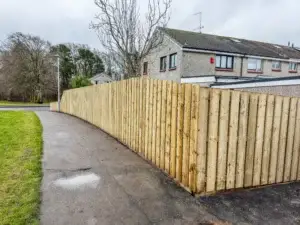
When planning your layout, remember that gardens look best with a mix of hard and soft things. Hard features like paths, patios, and garden fencing give structure, while plants add colour and texture.
Step 2: Pick Your Garden Style
Your garden style should match your home and show your personality. Popular styles are:
Formal gardens have neat shapes, matching plantings, and straight lines. These work well with traditional homes and make things look organised and elegant.
Cottage gardens are more relaxed with curved borders, mixed plants, and a charming, slightly wild look. They’re perfect if you love lots of flowers and a casual feel.
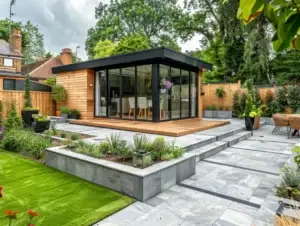
Modern gardens focus on simple designs, structured plants, and new materials. They often have bold shapes and modern elements like steel planters or concrete features.
Wildlife gardens use native plants and features that bring birds, butterflies, and helpful insects. These gardens are good for the environment and need less care once they’re established.
Step 3: Plan What Plants to Use
Designing a garden greatly depends on choosing the right plants for your specific conditions. Start by looking up plants that grow well in your area and soil type. The Royal Horticultural Society has great information about plant needs and growing conditions.
Make a plant list that has:
- Trees for height and structure
- Shrubs for permanent shape
- Perennial flowers for yearly colour
- Annual flowers that you can change
- Ground cover plants to fill empty spaces
Think about how big plants will get when you space them out. It’s easy to plant them close together for quick results, but crowded plants get sick and need to be replaced often.
Think about what will look good in different seasons, too. Plan for something nice in every season – spring bulbs, summer flowers, fall colours, and winter interest from evergreen plants or pretty bark.
Step 4: Think About Practical Things
How to landscape a garden well means thinking about more than just plants. Think about practical things that make your garden work well and be enjoyable.
Watering is important, especially when plants are new. Plan for easy watering or think about automatic watering systems. Group plants that need the same amount of water together to make care easier.
Storage is often forgotten but needed. Plan for tool storage, compost bins, and space for garden equipment. These can be hidden behind screens or made into nice-looking features.
If your property needs better access, think about driveways in Edinburgh and Midlothian that look good with your garden design while being useful.
Step 5: Get Your Site Ready
Getting the site ready is where how to design your garden ideas become real. Start by making your soil better – good soil is what every successful garden needs. Test your soil and add compost to make it better.
Clear plants you don’t want and level areas if needed. If you’re making new planting areas, remove grass and weeds completely. This extra work at the start saves hours of weeding later.
Fix drainage problems early. If your garden has wet spots or water running off, fix these before planting. Bad drainage kills more plants than dry weather in most gardens.
Step 6: Put in Hard Features
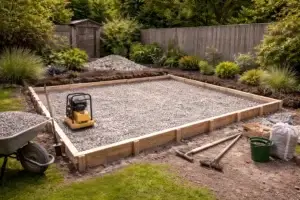
Put in permanent features before planting. This includes paths, patios, walls, and any structural parts. Working on these after planting can damage your new plants and make the work harder.
How to design a garden layout that flows well often depends on these permanent features. Paths should feel natural and have a purpose, leading people through the garden and connecting different areas smoothly.
If your garden needs big changes or professional hardscaping work, think about getting help from landscape gardeners in Midlothian and Edinburgh who can help make your vision a reality with professional skills.
Step 7: Plant Your Garden
Plant at the right time for your area. In most places, fall and early spring are the best times for new plantings. Start with the biggest things – trees and shrubs – then fill in with smaller plants.
Water well after planting and keep the soil moist while plants get established. Most plants need extra care for their first growing season while their roots grow.
Put mulch around plants to keep moisture in, stop weeds, and make beds look finished. Organic mulches like shredded bark or compost also help the soil as they break down.
Taking Care of Your Garden Design
How to design your own garden includes planning for ongoing care. Regular care keeps your garden looking its best and stops small problems from becoming big ones.
Set up a routine that includes weeding, pruning, fertilising, and watching for pests or diseases. Keep a garden notebook to track what works well and what needs to change.
Gardens change over time, and that’s part of what makes them special. Plants grow bigger, tastes change, and new ideas come up. Don’t be afraid to make changes as your garden grows and your needs change.
For complete care help, professional garden services in Edinburgh and Midlothian can help keep your design looking great all year long.
Final Thoughts
Learning how to design a garden is a fun journey that mixes creativity, planning, and patience. Remember that great gardens don’t happen overnight – they grow and get better over time. Start with a good plan, pick plants wisely, and don’t be afraid to learn from mistakes.
Whether you do the project yourself or work with professionals for garden renovations, the important thing is making a space that brings you joy and fits your lifestyle. How to landscape a garden well comes down to thoughtful planning, knowing your site conditions, and having realistic hopes about timing and cost.
Your perfect outdoor space is waiting to be made. With these steps as your guide, you’re ready to turn your garden dreams into reality.
Frequently Asked Questions
Design your garden zones based on function – separate spaces for dining, planting, play, and pathways. Use focal points like trees, water features, or sculptures to add structure and draw the eye. A well-thought-out layout makes the garden more beautiful and easier to use.
Choose plants that suit your soil type, climate, and available sunlight. Group plants with similar needs together and arrange them in layers – taller ones at the back, medium ones in the middle, and low-growing plants in front. This creates depth, visual interest, and makes maintenance easier.
Select low-maintenance plants and durable materials if you prefer a garden that’s easier to care for. Establish a realistic budget early on, and prioritise key features first – like patios or main flower beds. You can always expand your garden gradually over time.
Garden lighting adds safety, highlights key features, and lets you enjoy your garden after dark. You can also include elements like benches, pots, or outdoor décor to reflect your personal style. Accessories help turn a basic space into a warm and welcoming environment.