
How We Build Strong Garden Fences in Edinburgh
A fence is only as strong as the groundwork underneath it.
At Halley Garden Services, we focus on building durable garden fencing designed to handle Scottish weather conditions and last for years to come. While fence panels are important, the real strength of a fence comes from proper preparation, post installation, spacing, and material quality.
Across Edinburgh and Midlothian, we regularly replace fences that have failed due to poor installation, shallow posts, or incorrect groundwork.
If you’re considering a new installation, you can explore our Fencing Services to see the fencing options we provide.
Planning the Fence Layout
Every fencing project starts with careful planning.
Before installation begins, we assess:
- ground levels
- boundary lines
- access to the property
- exposure to wind
- drainage conditions
This helps ensure the fence is properly aligned and structurally sound from the beginning.
For larger projects, fencing is often combined with wider outdoor improvements through full Garden Renovations.
Ground Preparation Is Key
One of the biggest reasons fences fail is poor groundwork.
Before any posts are installed, we:
- remove old fencing and debris
- check for roots or buried concrete
- measure post spacing carefully
- ensure proper depth for stability
Ground conditions across Edinburgh can vary significantly, especially in older gardens or sloped areas, so proper preparation is essential.
This is also where cheaper fence installations often cut corners.
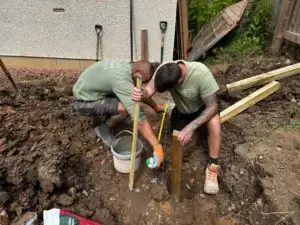
Installing Fence Posts Properly
Fence posts are the structural backbone of the entire fence.
To ensure long-term stability, we focus on:
- correct post depth
- solid concrete footing
- accurate spacing
- level alignment throughout the run
Incorrectly installed posts are one of the most common causes of leaning or unstable fencing.
For exposed gardens, deeper posts and stronger footing are often required to help the fence withstand strong winds.
Why We Use Pressure-Treated Timber
We only use pressure-treated timber for our fencing projects unless specifically requested otherwise by the customer.
Pressure treatment helps protect timber against:
- rot
- moisture damage
- fungal decay
- insect attack
For Scottish weather conditions, pressure-treated timber significantly improves the lifespan and durability of a fence.
You can learn more in our guide: How Long Should a Timber Fence Last?
Fence Panels, Slats & Finishing
The type of fencing chosen will influence both appearance and performance.
We regularly install:
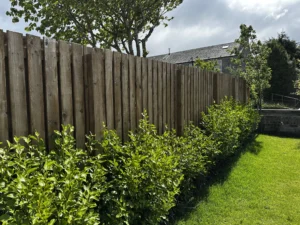
- traditional timber fence panels
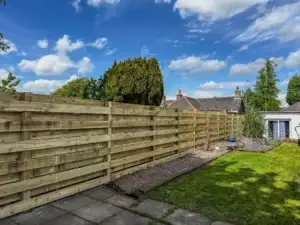
- decorative slatted fencing
- privacy fencing
- heavy-duty boundary fencing
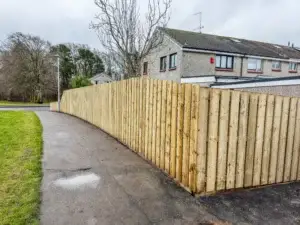
Slatted fencing has become particularly popular across Edinburgh due to its modern appearance and ability to reduce wind resistance compared to fully solid panels.
Premium timber options such as Cedar and Douglas fir are also available for decorative projects.
Common Fence Installation Mistakes
Many fencing problems come from poor installation rather than the materials themselves.
Common issues include:
- shallow post depth
- incorrect spacing
- poor concrete footing
- lack of drainage consideration
- untreated or low-quality timber
Over time, these issues often lead to leaning posts, movement, and premature rot.
Choosing experienced fencing contractors in Edinburgh helps avoid these problems and ensures a much longer-lasting installation.
Why Professional Fence Installation Matters
A professionally installed fence should:
- remain stable in strong weather
- maintain straight alignment
- resist premature rot and movement
- provide long-term value
While cheaper installations may initially cost less, poor groundwork often leads to expensive repairs or early replacement.
You can also read our pricing guide here: How Much Does Fencing Cost in Edinburgh?
Frequently Asked Questions
How deep should fence posts be installed?
Fence posts are typically installed around 600mm–900mm deep depending on fence height and ground conditions.
Why is ground preparation important for fencing?
Proper groundwork helps prevent leaning posts, movement, drainage issues, and early fence failure.
Is pressure-treated timber better for fencing?
Yes, pressure-treated timber offers significantly better protection against rot, moisture, and insect damage.
What is the best fence for windy gardens?
Slatted fencing often performs better in windy areas because it allows airflow through the structure.
How long should a professionally installed fence last?
A properly installed pressure-treated timber fence can often last 10–15 years or more with maintenance.
Looking for Strong, Long-Lasting Fencing in Edinburgh?
At Halley Garden Services, we build durable garden fencing designed for Scottish weather conditions, using proper groundwork, pressure-treated timber, and quality installation methods.
Whether you need new boundary fencing, decorative slatted fencing, or a full replacement, we can help you choose the right solution for your property.
👉 Explore Our Fencing Services
👉 Contact Us for a free quote.